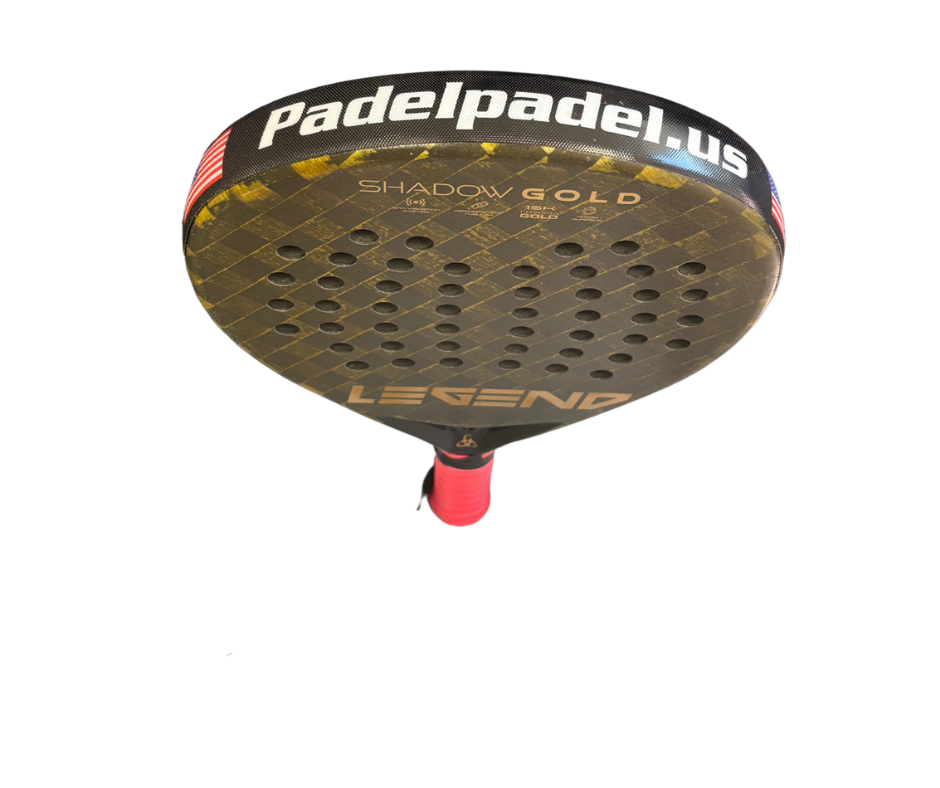
Round, teardrop, and diamond are useful starting points when shopping for a padel racket. They help organize the choices, but two rackets with the same outline can still feel very different.
Use this guide to decide which shapes to explore, then compare the weight, balance, construction, and intended level of the actual models.
The three shapes at a glance
| Shape | Typical emphasis | What to check |
|---|---|---|
| Round | Control and a central hitting zone | Intended level and actual balance |
| Teardrop | A mix of control and attacking potential | Weight and response |
| Diamond | Attacking play and a higher hitting zone | Handling and forgiveness |
Round padel rackets: a useful control starting point
A round design commonly provides a more central sweet spot. It is a sensible category to explore when you want predictable placement, but it includes both approachable and demanding models.
For a first purchase, compare beginner-rated options. For a later upgrade, look at what you want to change about your current racket before choosing another round model.

Teardrop padel rackets: explore a versatile setup
Teardrop designs are commonly positioned between control and power. That makes the category worth exploring if you want one setup for several styles of play.
A versatile outline does not mean that every model suits every level. Check the intended player profile, and compare how manageable the racket feels during fast exchanges.

Diamond padel rackets: compare attacking options
Diamond designs often place the sweet spot higher on the face and emphasize attacking play. They can demand more consistent contact, so compare their handling carefully.
Do not reject or select a model on its shape alone. Some diamond rackets use lighter or more approachable constructions, while others are aimed at experienced players who want a firmer response.

Why shape does not tell the whole story
Balance is especially important to check separately. For example, Babolat lists its round Counter Viper 2.6 as head heavy, while its diamond Technical Origin + has even balance. That is a useful reminder to read the model details instead of assigning a balance automatically from the outline.
When comparing products, write down the exact model and year. Similar names can cover different versions, and a recommendation for one version should not automatically carry over to another.
A simple way to choose your shortlist
- Still learning: start in the beginner collection and check handling before focusing on power.
- Prioritizing placement: compare suitable round models with other control options.
- Wanting versatility: compare teardrop models against your current racket.
- Exploring attacking play: compare suitable diamond models and power options, paying attention to defensive handling too.
Frequently asked questions
Are round rackets only for beginners?
No. The Adidas example above is listed for advanced players. Shape and intended level are separate things to check.
Is a hybrid racket always teardrop?
Check the manufacturer's own description and specifications. Use the exact model's classification rather than assuming every brand uses labels in the same way.
Which shape should I try first?
Choose the category closest to your main priority, then compare two or three suitable models. For help with level and budget, read our racket buying guide.
Further reading: HEAD's shape and balance guide and Babolat's published model specifications. Product photos and examples come from our catalog.